

As a supplier of Upper Control Arms, I often encounter various questions from customers about the products we offer. One of the most frequently asked questions is whether upper control arms need to be balanced. In this blog post, I will delve into this topic, exploring the science behind it, the potential impacts, and the practical considerations for our customers.
Understanding Upper Control Arms
Before we discuss the balance of upper control arms, it's essential to understand what they are and their role in a vehicle's suspension system. Upper control arms are crucial components in a vehicle's front suspension system. They connect the steering knuckle to the vehicle's frame, allowing the wheels to move up and down while maintaining proper alignment. This connection is vital for ensuring smooth and stable handling, as well as providing a comfortable ride for passengers.
When it comes to the materials used in upper control arms, different types offer various benefits. If you're interested in learning more about the materials used in control arms in general, you can visit our page on Lower Control Arm Material. This resource provides in - depth information about the materials commonly used in control arms and their characteristics.
The Concept of Balance in Vehicle Components
Balance is a critical factor in many vehicle components. For example, wheels are routinely balanced to ensure even wear and a smooth ride. When a wheel is out of balance, it can cause vibrations that are felt through the steering wheel, seat, or floorboard. These vibrations not only reduce the comfort of the ride but can also lead to premature wear of tires, suspension components, and other parts of the vehicle.
Similarly, in the case of upper control arms, balance can play an important role. An unbalanced upper control arm can potentially cause uneven forces to be applied to the suspension system. This uneven distribution of forces can lead to abnormal wear on the control arm itself, as well as on other connected components such as the ball joints, bushings, and steering knuckles.
Do Upper Control Arms Need to be Balanced?
The short answer is that it depends. In most cases, upper control arms are designed and manufactured to be balanced within acceptable tolerances. During the production process, manufacturers use precision machining and quality control measures to ensure that the weight distribution of the control arm is as even as possible. However, there are situations where balance can become an issue.
Manufacturing Defects
Although modern manufacturing processes are highly precise, there is still a small chance of a manufacturing defect that could result in an unbalanced upper control arm. For example, if there is an error in the casting or machining process, it could cause one side of the control arm to be heavier than the other. In such cases, the imbalance can lead to vibrations and premature wear of the suspension components.
Aftermarket Modifications
When aftermarket modifications are made to the upper control arms, such as adding additional weight or changing the shape of the control arm, the balance can be affected. For instance, if a customer installs a custom - made upper control arm with different materials or a different design, it may not be balanced correctly. This can lead to handling issues and increased stress on the suspension system.
Wear and Tear
Over time, normal wear and tear can also affect the balance of upper control arms. For example, if the ball joints or bushings on one side of the control arm wear out more quickly than the other, it can cause an imbalance. This imbalance can then lead to further wear and potentially more significant problems with the suspension system.
Detecting an Unbalanced Upper Control Arm
Detecting an unbalanced upper control arm can be challenging. Unlike unbalanced wheels, which often cause noticeable vibrations, an unbalanced upper control arm may not always produce obvious symptoms. However, there are some signs that can indicate a potential balance issue.
- Uneven Tire Wear: If you notice that your tires are wearing unevenly, it could be a sign of an unbalanced upper control arm. The uneven forces applied to the wheels can cause the tires to wear more on one side than the other.
- Steering Wheel Vibrations: Although less common than with unbalanced wheels, steering wheel vibrations can also be a sign of an unbalanced upper control arm. These vibrations may be more subtle and may only be noticeable at certain speeds.
- Abnormal Handling: If your vehicle feels less stable or more difficult to control than usual, it could be due to an unbalanced upper control arm. You may notice that the vehicle pulls to one side or that the steering feels loose or unresponsive.
Balancing Upper Control Arms
If an unbalanced upper control arm is detected, it is possible to balance it. However, this process is not as straightforward as balancing a wheel. In most cases, it requires specialized equipment and expertise.
Some automotive repair shops may have the necessary equipment to balance upper control arms. They typically use a balancing machine that can measure the weight distribution of the control arm and then add or remove weight as needed to achieve a balanced state. However, not all repair shops offer this service, and it may be more difficult to find a shop that can balance upper control arms compared to a shop that can balance wheels.
Our Role as an Upper Control Arm Supplier
As a supplier of Upper Control Arms, we take quality control very seriously. Our manufacturing processes are designed to ensure that each upper control arm we produce is balanced within strict tolerances. We use advanced testing equipment to check the balance of our control arms during the production process, and we have a rigorous quality assurance program to ensure that only the highest - quality products are shipped to our customers.

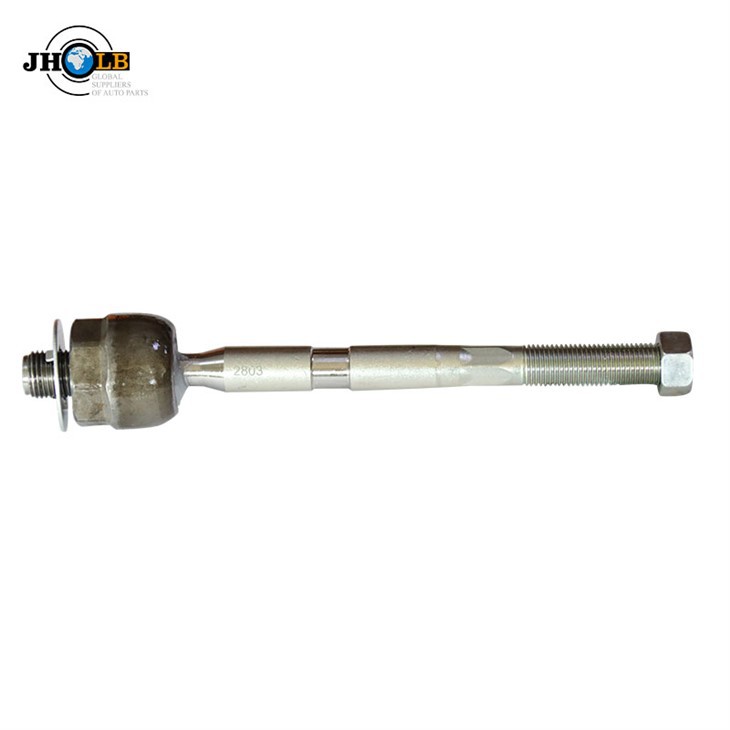
In addition to providing high - quality upper control arms, we also offer technical support to our customers. If you have any questions about the balance of our upper control arms or any other aspect of our products, our team of experts is available to assist you. We can provide advice on installation, maintenance, and troubleshooting to ensure that you get the most out of our products.
The Importance of Regular Maintenance
Regardless of whether upper control arms are balanced or not, regular maintenance is crucial for the proper functioning of a vehicle's suspension system. This includes inspecting the upper control arms for signs of wear and tear, such as cracks, corrosion, or excessive play in the ball joints or bushings. It is also important to follow the manufacturer's recommended maintenance schedule for the vehicle, which may include regular alignment checks.
If you are experiencing any issues with your vehicle's handling or suspension, it is recommended that you have it inspected by a qualified mechanic. They can diagnose the problem and determine if the upper control arms or other suspension components need to be replaced or repaired.
Conclusion
In conclusion, while upper control arms are generally designed to be balanced, there are situations where balance can become an issue. Manufacturing defects, aftermarket modifications, and wear and tear can all potentially lead to an unbalanced upper control arm. Detecting an unbalanced upper control arm can be challenging, but there are some signs to watch out for, such as uneven tire wear, steering wheel vibrations, and abnormal handling.
As a supplier of upper control arms, we are committed to providing high - quality products that are balanced and reliable. We also offer technical support to our customers to ensure that they have a positive experience with our products. If you are in the market for upper control arms or have any questions about our products, we encourage you to contact us for more information and to discuss your specific needs. Whether you are a professional mechanic or a DIY enthusiast, we are here to help you find the right upper control arms for your vehicle.
References
- Automotive Suspension Systems: Principles and Diagnosis, by Richard H. Halley
- Modern Automotive Technology, by James D. Halderman